
Can I be honest, friend? After three miscarriages in three years and all the supplements & specialty appointments, red light & restrictive dieting, blood tests & biohacking that have happened since…I’m a little burnt out on all things health. It’s a constant juggling (and…um…struggling) act to find the balance between doing everything possible to naturally get and stay pregnant while also surrendering to the ever important trust & rest & diving timing.
RELATED POST: My Real & Raw (& Random) Thoughts After Miscarriage
RELATED POST: How I’m Spending (& Surviving & Savoring) This Season of Waiting
During my last naturopath appointment, I looked my doctor in the eye and told her I need to do less. A minor part of me felt like I was giving up, but my majority took a sigh of relief knowing that a little more ease and simplicity were coming my way. We narrowed down the musts – sleep, sunlight, certain supplements, exercise, hydration – then made a gameplan for the rest, focusing on the best bang for your buck (& bandwidth) kinda stuff…and optimizing digestion was on that list.
Why digestion matters so *clap* dang *clap* much *clap*
Digestion is the body’s ability to break down what we eat into small, absorbable nutrients we can actually use. This process starts in the mouth with saliva, continues in the stomach, then proceeds to the small intestine where bile and digestive enzymes from the liver, gallbladder, and pancreas do their magic. Next food travels to the large intestine where water is absorbed and waste is created, then finally out the anus. Long story short, there are a lot of structures involved in the process, and if all that *waves arms wildly* isn’t working, gut health (& the rest of the body) will be negatively impacted.
The relationship of gut health to the rest of the body was once described to me like an alarm clock. Signs of poor digestion (like bloating, gas, diarrhea or constipation, acid reflux, feeling tired after eating, the list goes on…) are often the first alarm that goes off, but because they don’t flat-out affect our life, we hit snooze. It’s not until that second alarm goes off that we start paying attention, but the energy, mood, hormone, blood sugar, and inflammation problems started in the gut all along.
Energy. We’ve already established that digestion is the process of extracting vital macro and micronutrients from food to produce cellular energy. When this is compromised, the body struggles to harvest fuel and can leave you feeling tired and sluggish.
Mood. The gut and brain communicate constantly via the “gut-brain axis”. Not only is serotonin (a neurotransmitter responsible for mood and happiness) literally produced in the digestive tract, but poor digestion can also lead to gut inflammation and change brain chemicals, leading to depression, anxiety, and stress.
RELATED POST: 3 [Shocking] Ways Your Pelvic Floor Responds to Stress
RELATED POST: Mantras, Meditation, & 14 Other Kiiiiinda Crunchy Practices for Stress Relief
Hormones. Estrogen, cortisol, insulin, and thyroid hormones are all affected by gut health, and vice versa. The gut microbiome produces and regulates many of these key hormones, and abnormal fluctuations in hormones can alter gut function.
Blood sugar. When we eat, the pancreas releases insulin to unlock the body’s cells so that the energy from our food can be absorbed. A healthy gut produces short chain fatty acid (SCFA) that boost insulin sensitivity, but a compromised microbiome can exacerbate insulin resistance and make blood sugar harder to control.
Immunity. Believe it or not, approximately 70% of the body’s immune system lives in the digestive tract. This is where beneficial bacteria interact directly with immune cells to block harmful pathogens, reduce inflammation, and regulate the body’s overall defense mechanisms.
Anytime I sit down to write a blog, I ask myself, “who cares enough to read this?” and “why does this matter?”. If I can’t answer those two questions, it’s on to the next topic! But the importance of optimized digestion was an easy one to see from the start, and I’m so excited to share what’s been working for me.
Signs that Y-O-U could use the tips in this blog post
Did you catch that part above about gut health problems being the first alarm bell that we often ignore? That’s because many of the symptoms of poor digestion aren’t enough to stop our busy and stressful lives. Things like bloating, gas, or heartburn after eating can be easily excused (I know…I did it for years). Chronic constipation or diarrhea, skin breakouts, and bad breath are a little more obvious, but also easy to ignore or “look into later” when there’s bigger life fish to fry.
My personal biggest sign of poor digestion was fatigue after eating. Rather than feeling energized by all the amazing nutritious food I was consuming, I could have taken a nap right there at the table after every single meal. Digestion requires a significant amount of energy, and when the system isn’t functioning properly, the energy demand spikes, immune-triggering inflammatory proteins are released, the body doesn’t absorb the nutrients, and the irregular glucose utilization causes blood sugar spikes and crashes.
If any of these sound like symptoms you’re experiencing…keep reading, friend. You are *exactly* who I wrote this very blog post for.
My top (cheap & easy) tips for improved digestion
As I alluded to earlier, both my bandwidth and bank account are done-done-ditty-done (as my Lolo girl would say) when it comes to all things health. I’ve spent thousands of hours and even more dollars analyzing & accumulating & applying every holistic option to optimize my chances of getting (& staying) pregnant. Now as I enter this season of simplifying, I’m leaning into a less-is-more approach as much as possible.
Enter alllllll the easy and essentially free strategies to promote and improve digestion. While there are poop tests and gut protocols, supplements and food sensitivity analyses (yes, I’ve done all those too), these are the things that take minimal effort and, only a bit more awareness to complete. I recommend reading through the list, picking the two or three that perk up your intuition, and giving them a try.
PS – These ideas for improved digestion are listed (as best as possible) in the order that you would implement them. Please remember that you’re not expected to perform all of the following approaches, but 1) they really are that easy and 2) I’m living proof that it can be done.
AVOID COFFEE FIRST THING IN THE MORNING
Let me be clear on this one from the start…coffee is not the culprit here. In fact, organic, freshly roasted & ground (so it doesn’t contain mold or pesticides) coffee can help the digestive system by stimulating bile production, supporting the gut microbiome, and promoting regular bowel movements. The problem here is the timing. Drinking coffee before consuming food or water stimulates extra hydrochloric acid production with nothing for it to act on but the stomach lining, which can negatively affect digestion over time.
Ideally, a protein-packed breakfast should be the first thing you put in your mouth in the morning to protect the stomach, balance blood sugar, and control cortisol. But if food first thing isn’t your jam, at least consider finishing 8-16 ounces of water prior to reaching for your caffeine. Another option is to ensure your cup of coffee includes something substantial to buffer the gut lining – ie collagen, a nourishing creamer, or healthy fats like ghee, coconut, or MCT oil.
RELATED POST: Read [THIS] If Coffee Irritates Your Bladder
RELATED POST: Meet Your New Favorite [Warm & Nourishing] Morning Drink
MAKE YOUR OWN FOOD
Believe it or not, digestion actually starts in the brain, long before food ever touches our tongue. When we actively make a meal, seeing and smelling the ingredients triggers the salivary glands to release digestive enzymes and prompts the stomach to secrete gastric juices. I love me a sushi date night, and sometimes the grocery store salad bar is all we have time for, but when the body has more time to optimize its environment for digestion, there’s less bloating and better nutrient absorption when you finally sit down to eat than when you skip the prep and go straight to consumption.
Making your own food also gives you complete control over the ingredients. When you cook from scratch (ideally with whole foods), there is a natural reduction in the intake of gut-irritating additives like chemical emulsifiers, artificial preservatives, heavy stabilizers, and processed sugars & oils. I don’t know about you, but I always feel a little “off” after eating out, and ^^this^^ is likely why.
RELATED POST: The Whole Food, Healthy Pantry Staples You Better Believe I Keep Stocked 24/7
START WITH WARM(ISH) LEMON WATER
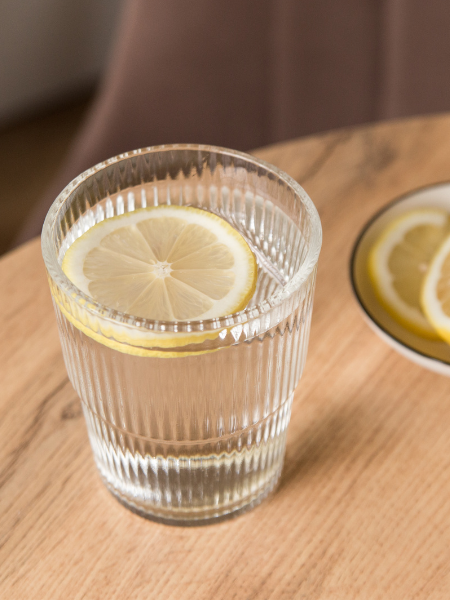
Did you know that the citric acid in lemons closely mimics our natural stomach acid? Drinking lemon water (ideally room-temperature or warmer and preferably real lemon juice – not the bottled stuff) 15 – 20 minutes prior to eating has multiple amazing benefits. The lemon juice itself signals the body to produce more digestive enzymes and stomach acid, both of which are vital for breaking down proteins and absorbing nutrients. The warm(ish) water jump-starts the digestive tract by stimulating peristalsis to move food more smoothly through the digestive system.
If lemon isn’t your thing, a teaspoon of raw, organic, unfiltered apple cider vinegar, fresh ginger, or mint leaves in your water all have the same effect. And if none of those sound good, you can purchase digestive enzymes in pill or powder form (I’ve used and liked these in the past), but we’re keeping things cheap and easy this time around…remember?
SIT DOWN TO EAT
This one is for my fellow busy & ambitious women who treat multitasking like it’s an olympic sport. I can personally be seen popping portions of cold leftovers in my mouth while tidying up the kitchen, while prepping my daughter’s dinner, while listening to a podcast, whiiiiiiiiile performing sourdough stretch-and-folds on the regular. And if you can relate, keep reading this one.
There’s a reason the parasympathetic nervous system (PNS) is also known as the “rest-and-digest” system. When we sit down to eat, the brain activates the PNS which promotes digestive enzyme secretion and blood flow to the stomach. Sitting also helps decrease the amount of air you swallow while eating (aka – less gas and bloating), improves satiety recognition, and even lowers stress, all of which can aid in more productive digestion.
TAKE 10 DEEP BREATHS
As a pelvic floor physical therapist, I believe very strongly in the power of breath. Not a single person leaves my clinic without learning how to breathe properly and optimally within the first few visits (& this free guide will teach you my *favorite* technique). But beyond improving pelvic floor function, deep belly breathing can also help with digestion.
As weird as it seems (& feels), stopping to take ten deep breaths after sitting down at the table but before filling your face with food is one of the most notably beneficial strategies on this list. Not only does this signal the PNS to produce saliva and stomach acid, increase blood flow to the gut, and relax the digestive muscles, but the physical belly movement that takes place helps regulate pressure in the abdominal cavity and improve how food moves through.
CHEW, CHEW, CHEW
You’ve made your own food (check!), downed the warm lemon water while making said meal (check!), sat at the table (check!), and done some belly breathing (check!). Now it’s finally time to eat…butttttt we’re not done yet. Trust me when I say that taking the time to completely chew your food can make all the difference when it comes to digestion.
Really chewing (like 20-30 bites, or until the food loses its original texture) stimulates digestive enzymes in both the saliva and stomach, breaks down the food to reduce gastrointestinal workload and improve nutrient absorption, and even prevents bacterial overgrowth from large chunks of unchewed food getting stuck in the intestines. When I first tried this, I was not only surprised at how little I chewed (maybe four to six bites per mouthful?!), but also at how just a few more intentional chomps could change how I feel after a meal.
MOVE YOUR BODY
The best thing you can do to improve digestion after eating is gently move your body. After waiting 10-15 minutes so food can settle, try performing 10-30 minutes of low-intensity activity like walking, yoga poses like the cat-cow stretch or seated twist, standing arm swings, orrrrr dancing around the kitchen while you’re cleaning up. All of these movements are enough to physically stimulate the stomach and intestines to move food through the digestive tract more smoothly, but not too much that it disrupts that “rest and digest” PNS or pulls the blood flow away from the gut to the limbs.
While it’s so easy to cozy up on the couch after a delicious meal (or so I’ve heard…life with a five-year-old is non-stop), remaining upright and moving around also helps prevent acid reflux and stabilize blood sugar by allowing the muscles to utilize glucose. So now that you’re convinced, consider creating a post-meal tradition of moving in a way that feels simple and sustainable.
Yep…that’s it!
Now, I want to be upfront with you…this is far from an exhaustive list of everything you can do for your gut health. There are elimination diets and microbiome testing, digestive bitters and bone broth protocols, probiotic regimens and functional medicine rabbit holes that go deeeeeep. And if you’re someone who loves to geek out on all that (same girl…same), by all means, explore awa!. But if you’re in a season like mine where the goal is to simplify without sacrificing results, ^^these^^ are the strategies I’d start with every single time.
Because the beautiful thing is that the basics work, and they work really, really well when you’re consistent with them. You don’t need a $400 supplement stack or a three-hour morning routine to feel the difference in your digestion. You need warm lemon water & a seat at the table & the willingness to chew your food like you mean it. You need to move your body & breathe deeply & maybe (just maybe?) make your own meals a little more often. Simple? Yes. Boring? Maybe. Effective? Absolutely.
Change doesn’t happen all at once (unfortunately). Improving things like digestion and gut health require one intentional choice at a time. So pick one thing from this list, try it for a week, and see how you feel. Your gut (and your energy, hormones, mood, and immune system) will thank you. And as always, I’m right here cheering you on every step of the way.
Amanda
Disclaimer: The content provided here does not constitute medical advice, nor is it a substitute for personalized healthcare. I’m a doctor, but I’m not your doctor. If you have concerns about a medical condition, diagnosis, or treatment, you should consult with a licensed healthcare professional.
Disclosure: Some of the links above are affiliate links, meaning, at no additional cost to you, I will earn a commission if you click through and make a purchase. No pressure, but I have a feeling you’re gonna like what I’ve taken the time to put my recommendation behind.


